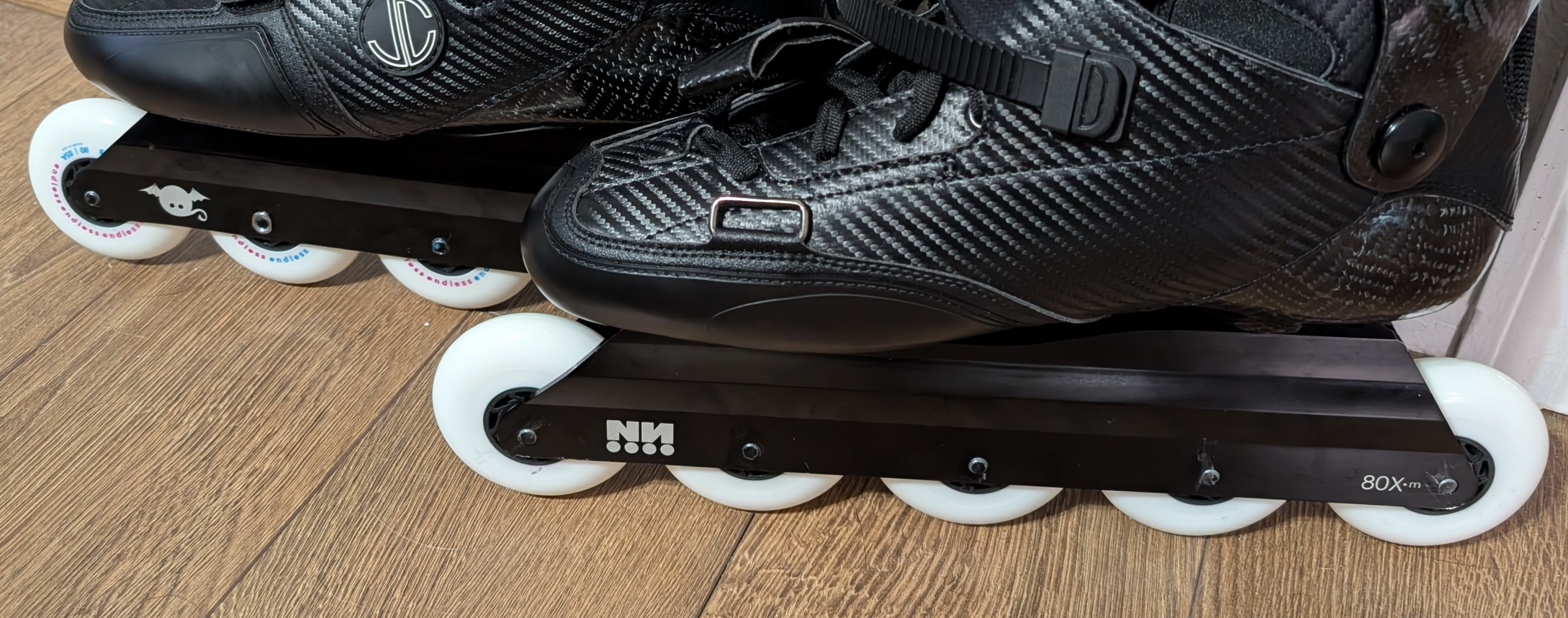
One of my hobbies, among many, is inline skating. One of my sets of skates has a pair of NN Dragon frames, a very nice set of aluminum extruded and machined rockered frames.
The frames “work” by having an aluminum axle passing through the wheel/bearings and threading directly into the opposite side of the frame. This system works very well and holds the wheels perfectly in the frame.
The issue with this system is that the threads the axle interfaces with are directly cut into the frame itself. If those threads become damaged, the frame itself effectively is damaged. After using these for a while, I seem to have stripped out the threads on two of the axles!
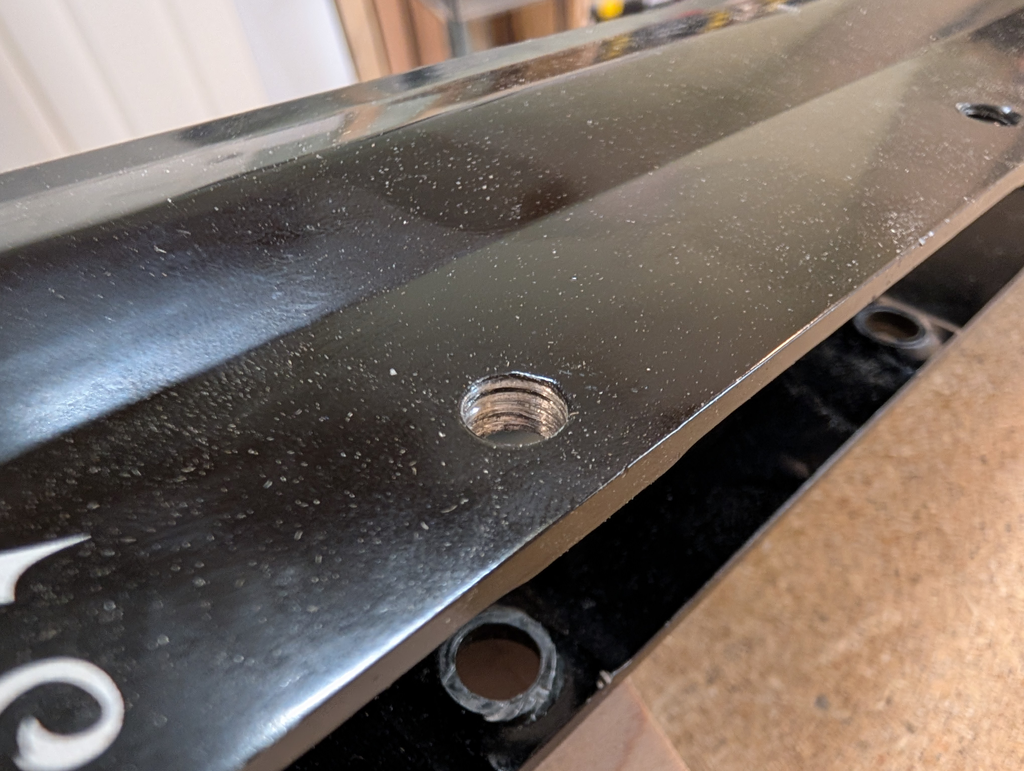
The frames are not cheap, either. So I wanted to try and repair them using some sort of threaded insert or Helicoil kit. I originally bought some Helicoils, as those are what I’m most familiar with. Once I received the right size Helicoil, I set about getting the frames prepped.
First I threw together a simple wooden jig that I could attach the frames to that would hold the frames such that the axle holes are perpendicular to my drill press.
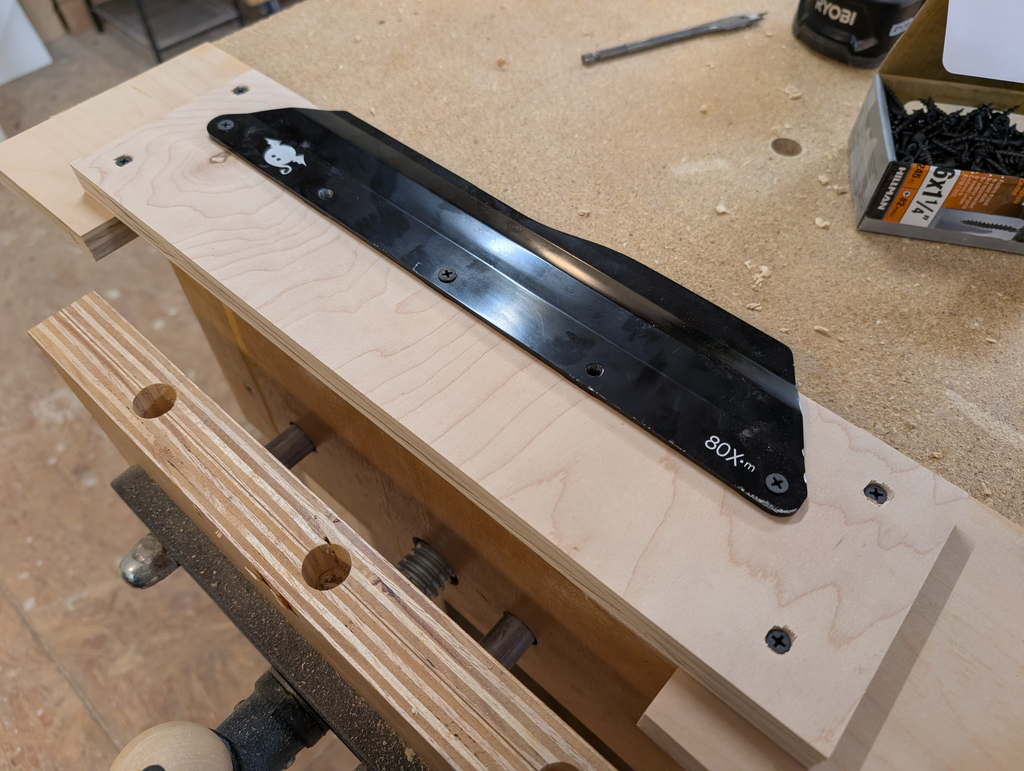
Now with the frames held in a good spot, I can drill out the old stripped out holes, and re-tap them at the correct size for the Helicoil kit.
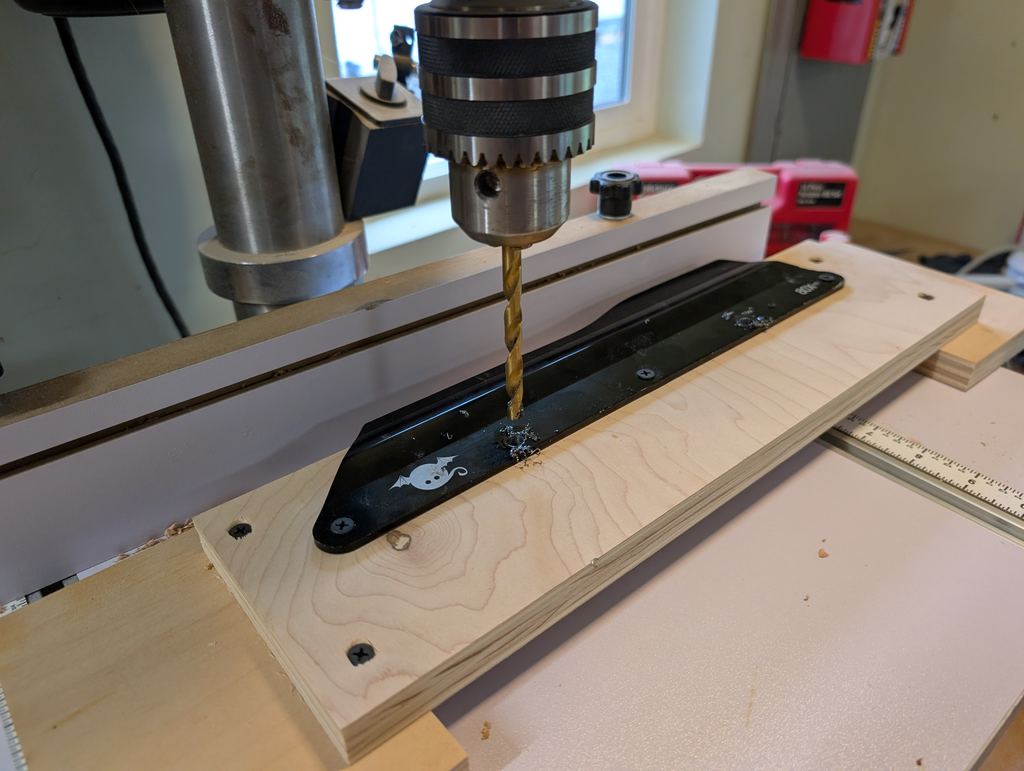
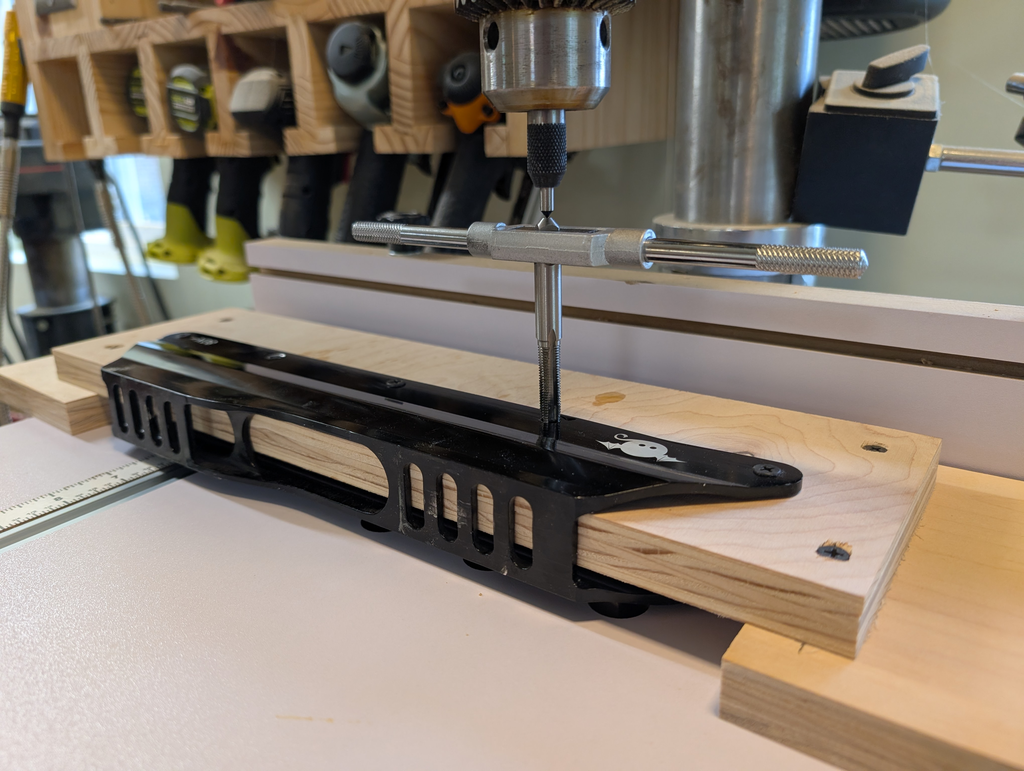
The two axle holes are tapped, and we’re ready to install the Helicoil! But I run into my first real issue here. The wall of the frame is very thin, only about 6mm. With so little “meat” to work with, I find it nearly impossible to thread the Helicoil into place. After struggling a few hours to get the coils installed properly, I gave up and decided to try something different.
Helicoils, if you’re not familiar, look a little like springs. Because they aren’t solid, they’re really difficult to thread into such a thin piece of metal. I needed something solid! An alternative to Helicoil is a product called Timeserts. These functionally do the exact same thing as a Helicoil (thread into a larger hole to recreate threads for a smaller bolt), but are solid pieces
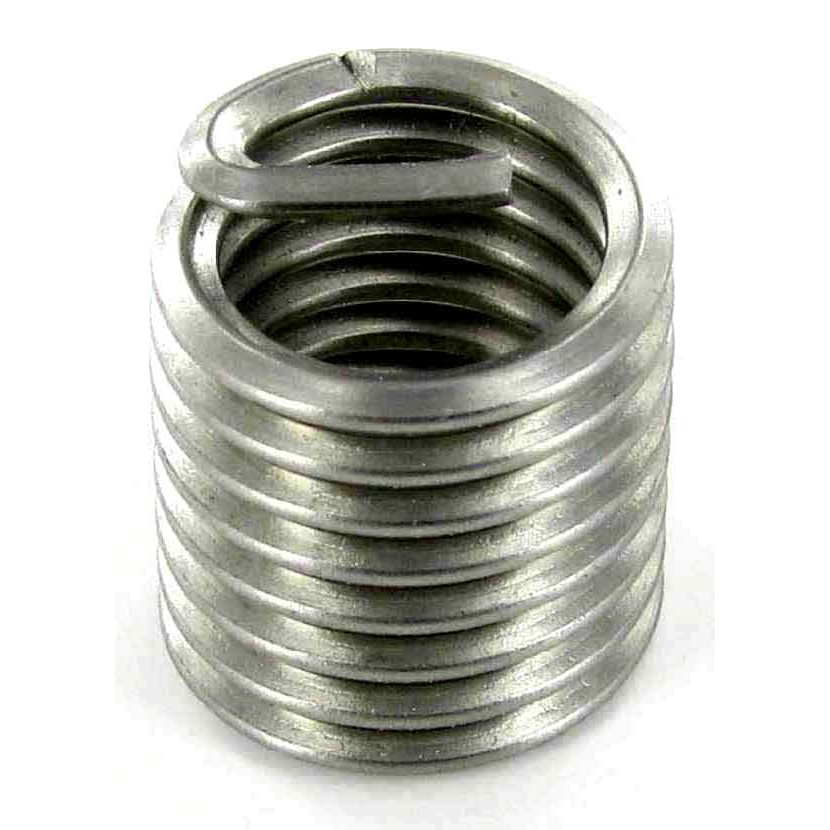
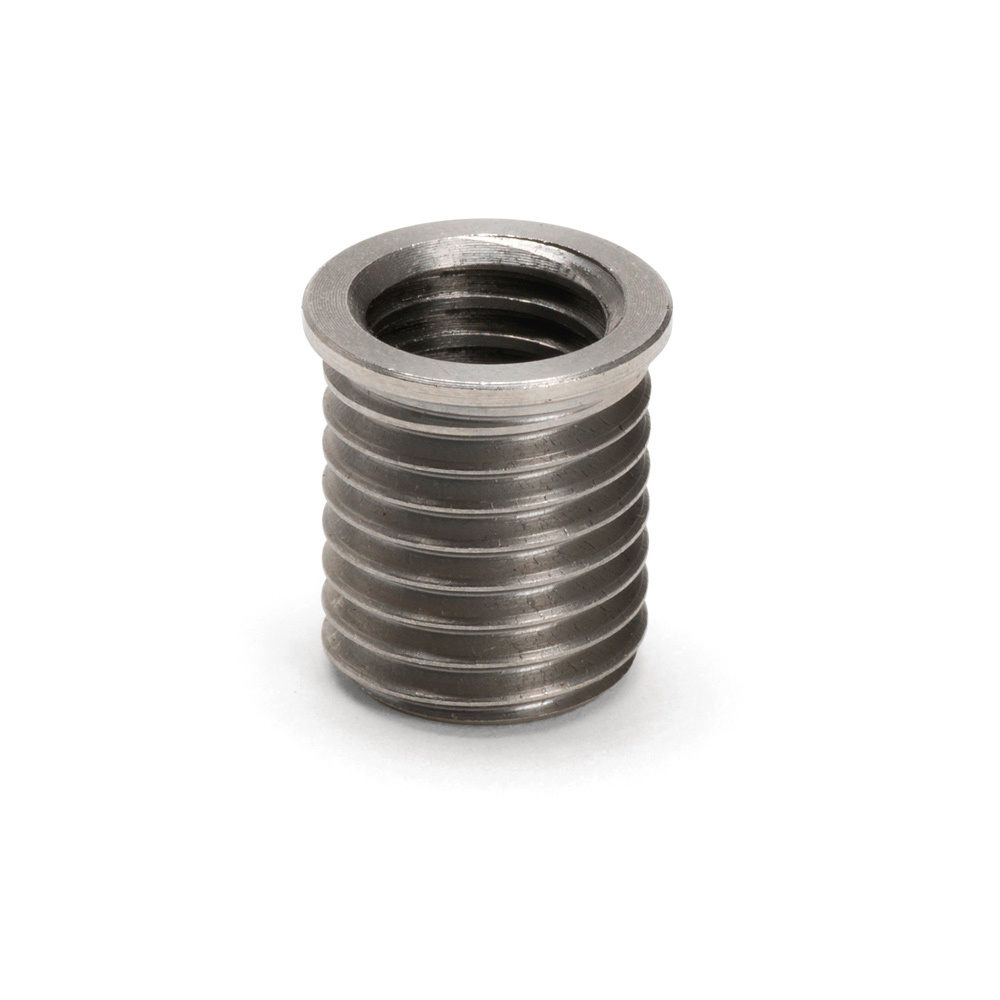
The holes I drilled/tapped needed to be increased in size a bit more to accept the Timesert, which was easy to do. The challenge I was going to run into though was the length of the Timesert. The Helicoil, being more like a spring, would have been easy to clip off the excess after install. But how do we get the Timesert to be the correct size? Time for some lathe work!
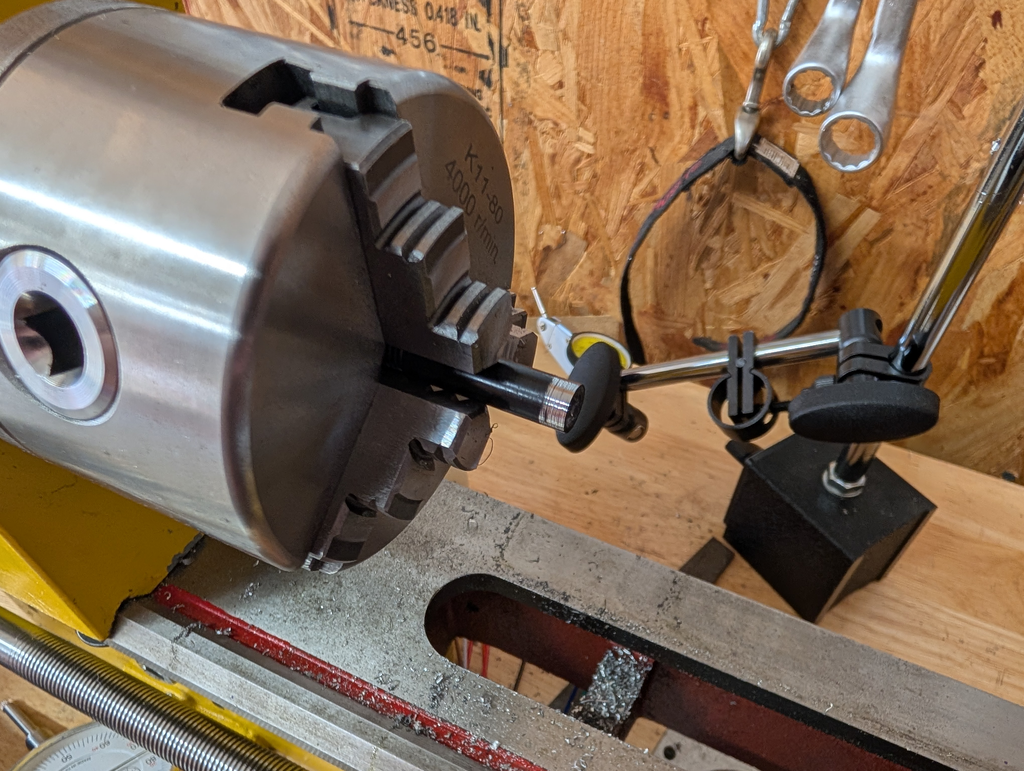
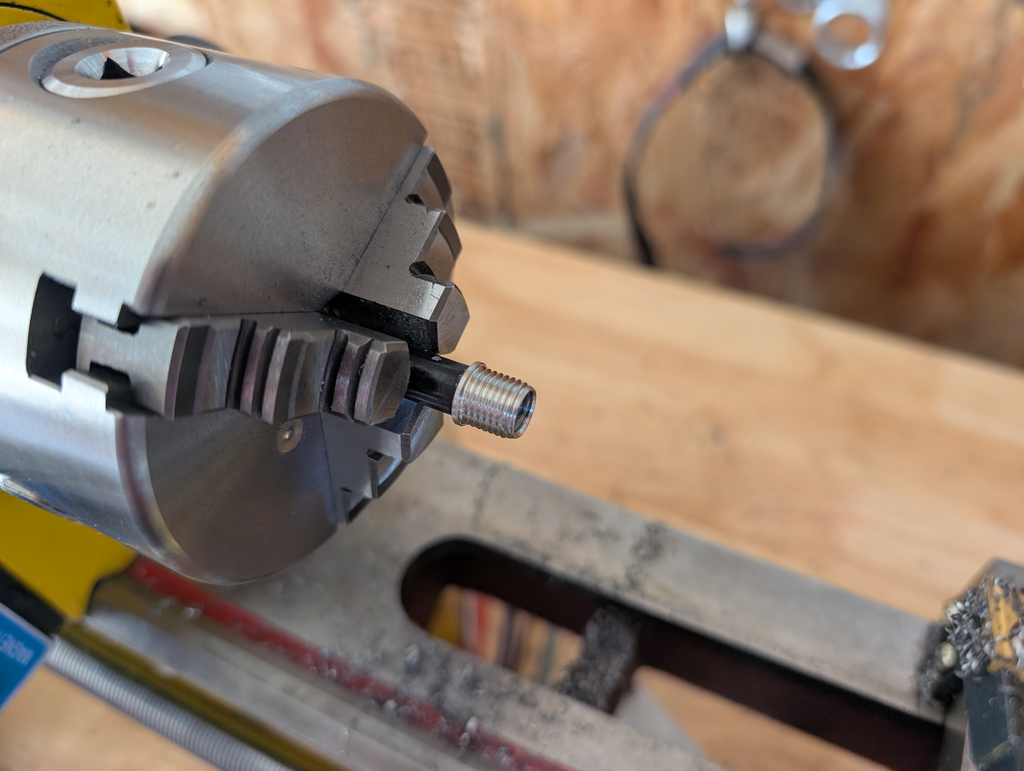
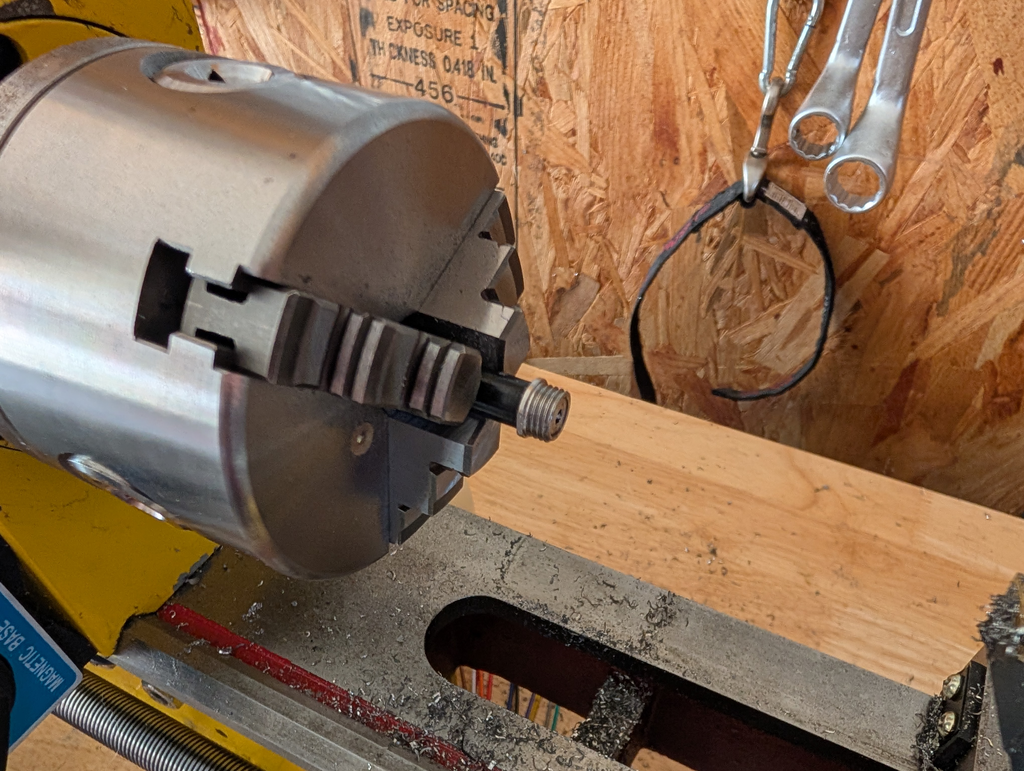
I took a spare skate axle and first cut down the outside of the bolt head a bit, so the lathe chuck could hold onto it without issue. Flipping it around, I then placed one of the Timeserts onto it, and cut it down to just a hair under the appropriate length for the skate frame.
Last but not least, I filed down two flats onto the Timesert so it could be gripped with pliers to install (or potentially for future removal/replacement should the Timeserts themselves ever get stripped out).
Finally, with a judicious amount of Loctite, I threaded the two inserts into the frames, reinstalled them on the skates and added wheels!
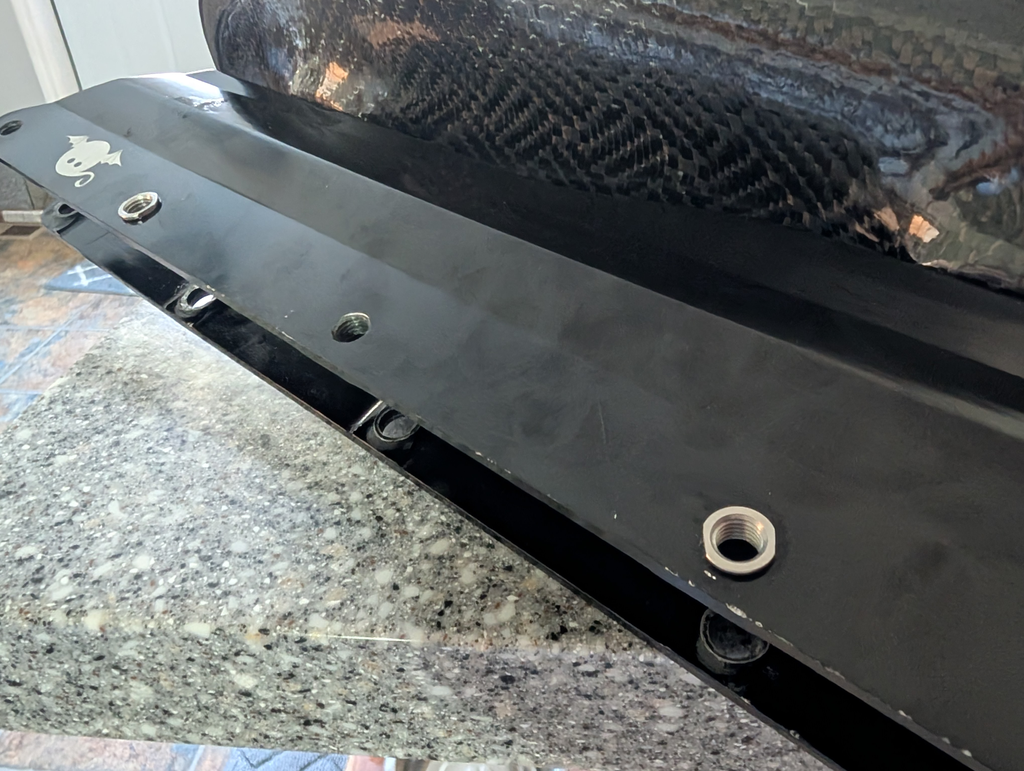
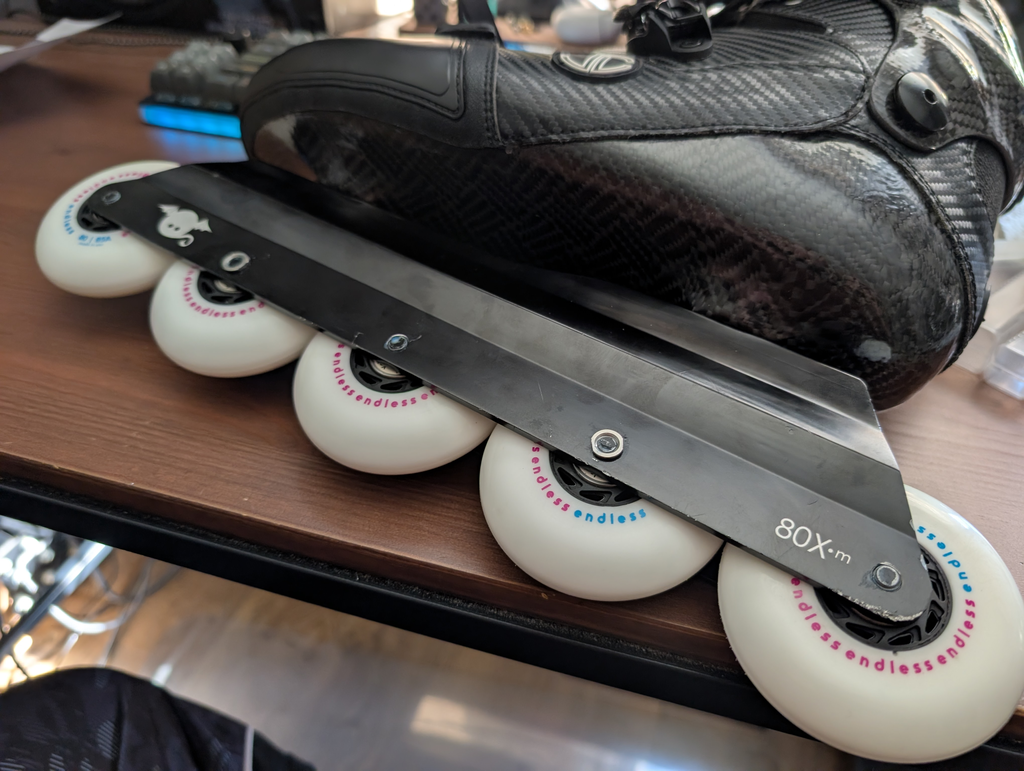
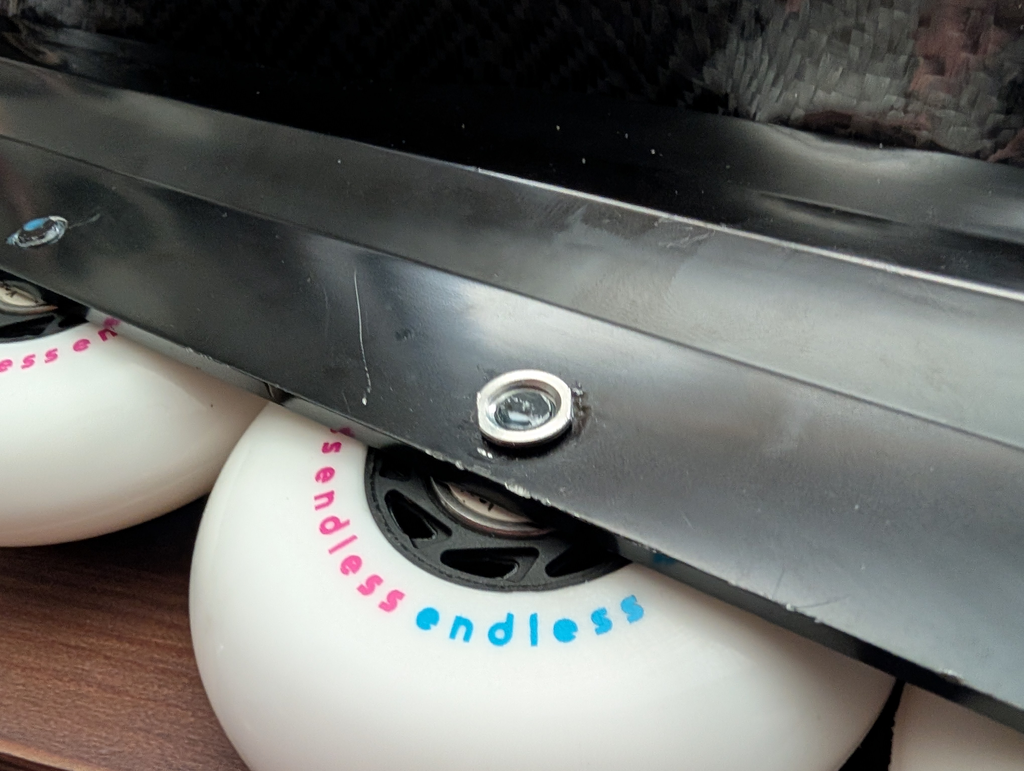
With that I took the skates out for a test and they performed beautifully! I was concerned with the accuracy of my wooden jig, but it seems to have been able to get the alignment spot on (or at least close enough that I can’t tell a difference)
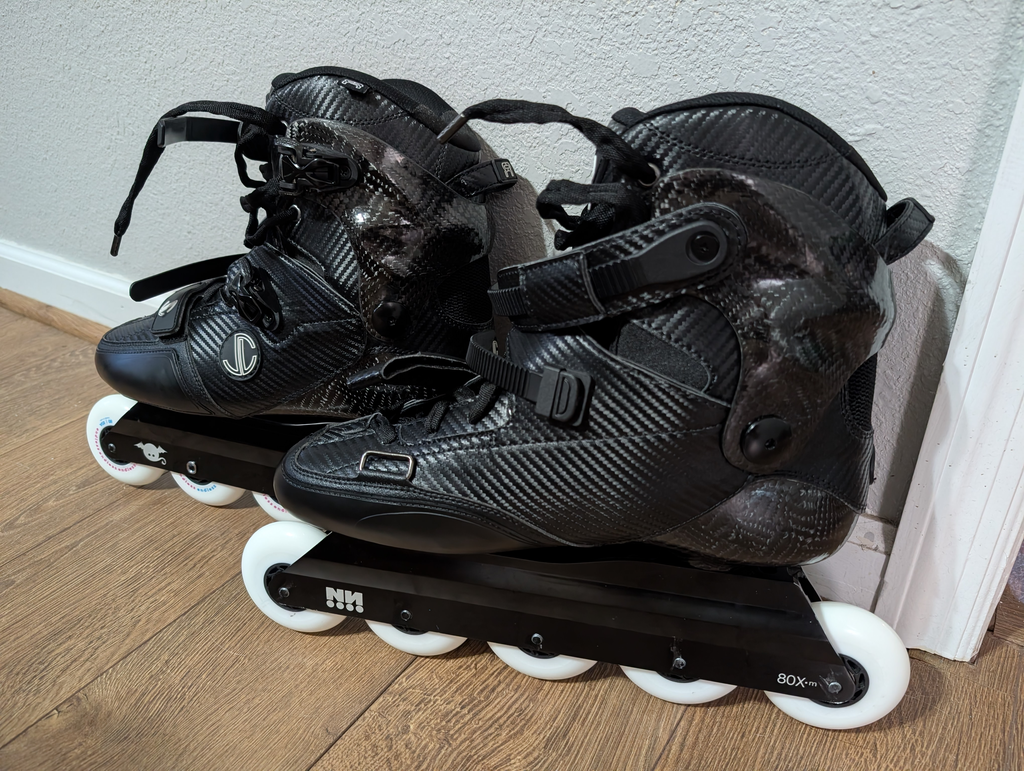
So why did this happen at all? Well it turns out it’s my fault entirely. One of the regular maintenance items for skates like this is to pull the wheels and bearings out, and clean everything really well before reassembling and rotating the wheels to ensure everything wears together at an even rate.
Part of my cleaning process includes running the bearings (with their rubber shields removed) through my ultrasonic cleaner, to ensure every spec of dirt is out of them. Well I also generally tossed the axles themselves into the ultrasonic cleaner as well. The problem with doing this is that it removes the protective layer of paint from the threads. When then threaded back into the frames, the aluminum (of the axle) was galling with the aluminum (of the frame).
Now that I’ve realized what I was doing wrong, part of my skate-cleaning routine now includes a thin coat of anti-seize on the threads of the axle. I’m hoping this will extend their life and make disassembly easier in the future!